

The Importance of Being Heard and Having Hope - Sherry Ann Douglas
Five years post-diagnosis


Share If You’re Ready
Your story can offer comfort, connection, and hope — at your own pace.
Diagnosed with Stage IV pancreatic cancer in 2021, Sherry Ann's journey has been shaped by delayed answers, difficult treatment decisions and the importance of healthcare professionals who listen. Five years later, she continues to advocate for herself while finding strength in faith, family and everyday moments that give her life purpose.
In This Story...
Early Symptoms: Persistent indigestion, abdominal discomfort and an abnormality identified on imaging
Diagnosis: Stage IV pancreatic cancer in August 2021, at age 61
Treatment: FOLFIRINOX chemotherapy, Whipple surgery, gemcitabine chemotherapy and a radiation trial
When Something Doesn't Feel Right
For Sherry Ann of Guelph, Ontario, the journey to a pancreatic cancer diagnosis began with persistent symptoms and a growing concern that something was wrong—concerns she felt were not being taken seriously.
Following a stroke, she experienced persistent indigestion and abdominal discomfort. Her doctor recommended medication, but Sherry Ann continued raising concerns when her symptoms did not improve, explaining that this felt different from regular indigestion.
An ultrasound identified an abnormality, but Sherry Ann says she was reassured it was not urgent and that an MRI could be scheduled months later.
During an unrelated appointment, her gynecologist noticed abdominal tenderness.
"I've been telling people it hurts when I lay on my stomach," she recalls telling him.
After learning about the imaging finding and lengthy wait, he contacted her family doctor to request an earlier MRI.
That appointment became a turning point.
The MRI was moved forward, and Sherry Ann was referred to a surgeon at Juravinski Hospital in Hamilton.
Her first biopsy was reported as benign. However, her symptoms worsened, and blood tests later revealed significant abnormalities.
Following a second biopsy, Sherry Ann was diagnosed with Stage IV pancreatic cancer in August 2021, at age 61, with evidence of spread to her liver.
Treatment and the Importance of a Hopeful Medical Team
Following her diagnosis, Sherry Ann completed 12 rounds of FOLFIRINOX chemotherapy.
Although surgery is not typically offered when pancreatic cancer has spread to distant organs, her surgeon continued considering it.
Sherry Ann recalls being devastated when another physician told her surgery would not be possible because her cancer had spread.
She contacted her surgeon, who reassured her that he intended to proceed following chemotherapy.
"He said, I'm doing the surgery because if I can't save your life, I'll give you quality of life."
On May 31, 2022, Sherry Ann underwent a Whipple procedure.
Her treatment continued with additional chemotherapy following rising cancer markers. She experienced serious complications, including gastrointestinal bleeding, and underwent tumour testing that identified a PALB2-related finding. Gemcitabine chemotherapy was subsequently recommended. She also participated in a radiation clinical trial at Princess Margaret Cancer Centre.
Throughout her care, Sherry Ann has sometimes struggled with how her prognosis was communicated.
She recalls one oncologist warning her that the cancer would keep returning and asking whether she had her affairs in order.
"I know I am incurable. I understand it, I get it," she remembers responding.
But she does not want to feel that her healthcare team has given up on her.
"Are you going to help me fight? Like, are you giving up on me?" she recalls wanting to tell the doctor.
Her surgeon's encouragement made a lasting difference. Sherry Ann believes patients deserve honesty alongside compassion, support and a willingness to explore treatment options.
"Okay, this isn't good, but let's fight it. Let's give it what we can," she says she wished she heard.
Five Years Later: Living with Fear and Hope
Five years since diagnosis, Sherry Ann is grateful for how far she has come but acknowledges that living with advanced cancer still brings fear.
"It's still in the back of my mind. Sometimes I get scared. I think, 'am I coming to the end because it's five years?'"
Rather than dwell on what might happen, she focuses on her current treatments, quality of life and time with loved ones.
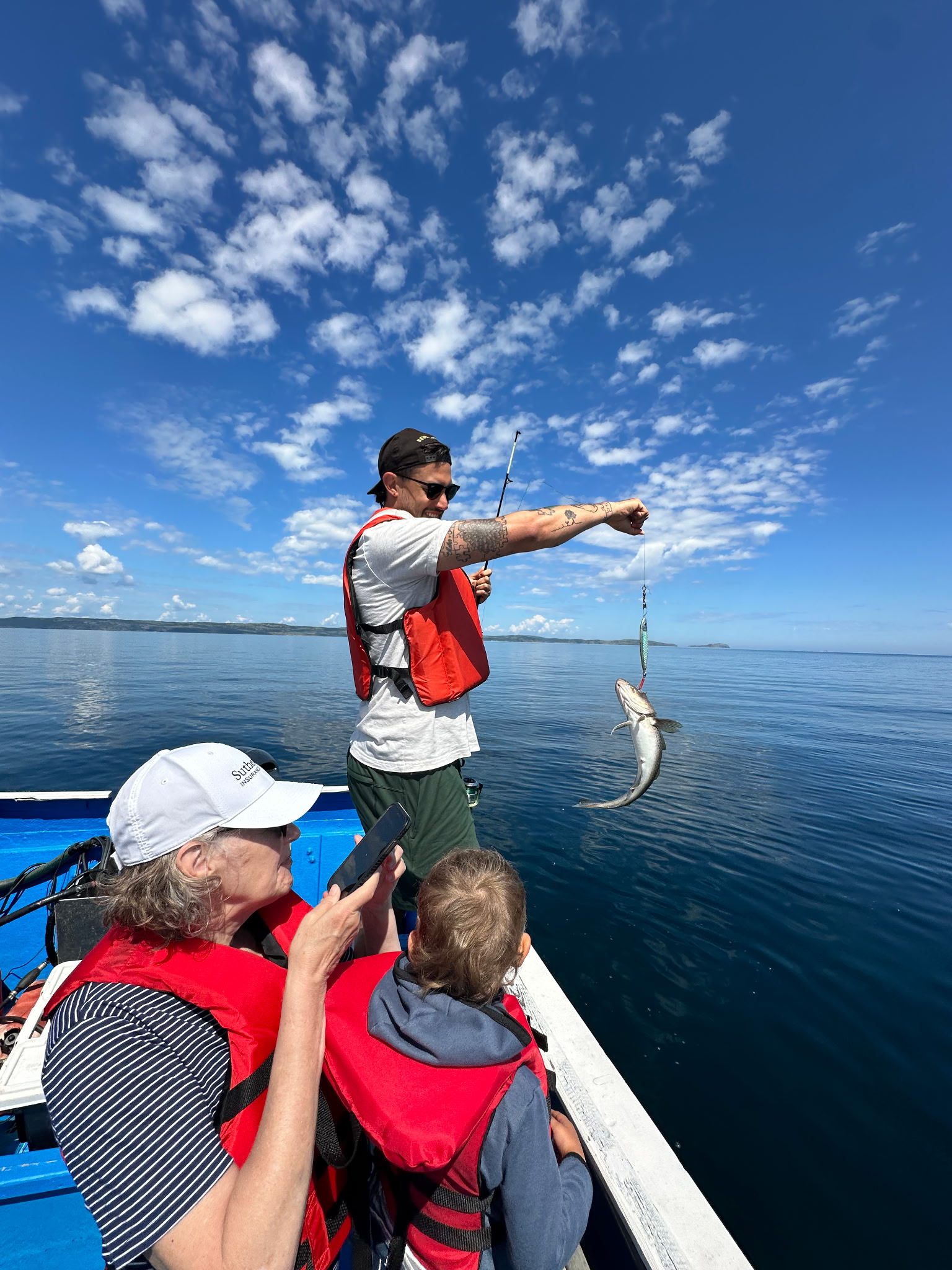
Chemotherapy has brought additional challenges, including fatigue and diabetes. She also finds it difficult when people assume she feels well because she does not appear visibly ill. Even everyday tasks can require considerable effort.
Finding Strength in Faith and Family
Sherry Ann has navigated much of her cancer journey independently, managing treatments and daily responsibilities without a full-time caregiver.
Her faith provides comfort during periods of anxiety and isolation, while her church community and friends have helped with meals, groceries and transportation.
Shortly after her diagnosis, her son and his partner were expecting a baby.
She remembers her surgeon believing she would have the opportunity to meet and know her grandson—and she did.
Today, her grandson remains one of her greatest joys.
Everyone Needs a Purpose
Before cancer, Sherry Ann worked as a fitness instructor and with children who had special needs. Although treatment has changed what she can physically manage, she still enjoys crafts, gardening, walks and volunteering through her church when possible.
She has participated in Craig's Cause Pancreatic Cancer Society's Peers with Pancreatic Cancer group and a local hospice support group.
For Sherry Ann, support is also about having opportunities to give back.
She recalls a conversation in which her cousin apologized for venting about his problems to someone living with cancer.
"I said, thank you for giving me a purpose," she recalls telling him. "Even though we're sick, we all need to still feel needed, even if it isn't in a large way."
Cancer has reinforced her belief that relationships, kindness and having something meaningful to contribute matter more than material things.
"I have a story to tell."
And perhaps one of the simplest messages she hopes others will remember is this:
"We do not fight cancer alone."

Join the Fight Against Pancreatic Cancer
Get the latest news, resources, and event updates delivered to your inbox.