

Pancreatic Cancer
Treatment
%20-%20Edited.png)
FACT: Pancreatic cancer patients must have access to healthcare professionals who are experienced in pancreatic cancer treatment (including clinical trials) and who prioritize symptom management and quality of life.
This level of specialized care is essential for improving patient outcomes.
Expert Care
Makes a Difference
Craig’s Cause Pancreatic Cancer Society firmly states that every pancreatic cancer patient deserves support from a specialized healthcare team, including:

A medical oncologist with direct experience treating pancreatic cancer.
A hepato-pancreatico-biliary (HPB) surgeon who specializes in pancreatic procedures
A registered oncology nurse who provides education and ongoing support
A palliative care or symptom-management team focused on pain, nutrition, and comfort
A dietitian trained in cancer-related nutrition needs
A social worker or counsellor to support emotional and practical challenges
A pharmacist who ensures safe and effective medication management
Patient advocacy organizations: Provide direct support and resources for patients.
Treatment Options
Treatment depends on the exact type of pancreatic cancer tumour you have, the stage of the tumour and the general health of the patient.
Different tumour types respond to different treatments, and staging shows how far the cancer has spread. Without this information, patients may not receive the most effective care.


Clinical Trials
Clinical trials offer access to promising new treatments that are not yet widely available and are critical to advancing pancreatic cancer care.

Surgery
Surgery is currently the only treatment with the potential to cure pancreatic cancer and may offer long-term control when the disease is localized.

Chemotherapy
Chemotherapy can help slow cancer growth, reduce symptoms, and improve quality of life at many stages of pancreatic cancer.

Palliative Care
Palliative care is specialized medical care focused on relieving symptoms, pain, and stress of serious illness to improve quality of life for patients and their families at any stage of the disease.
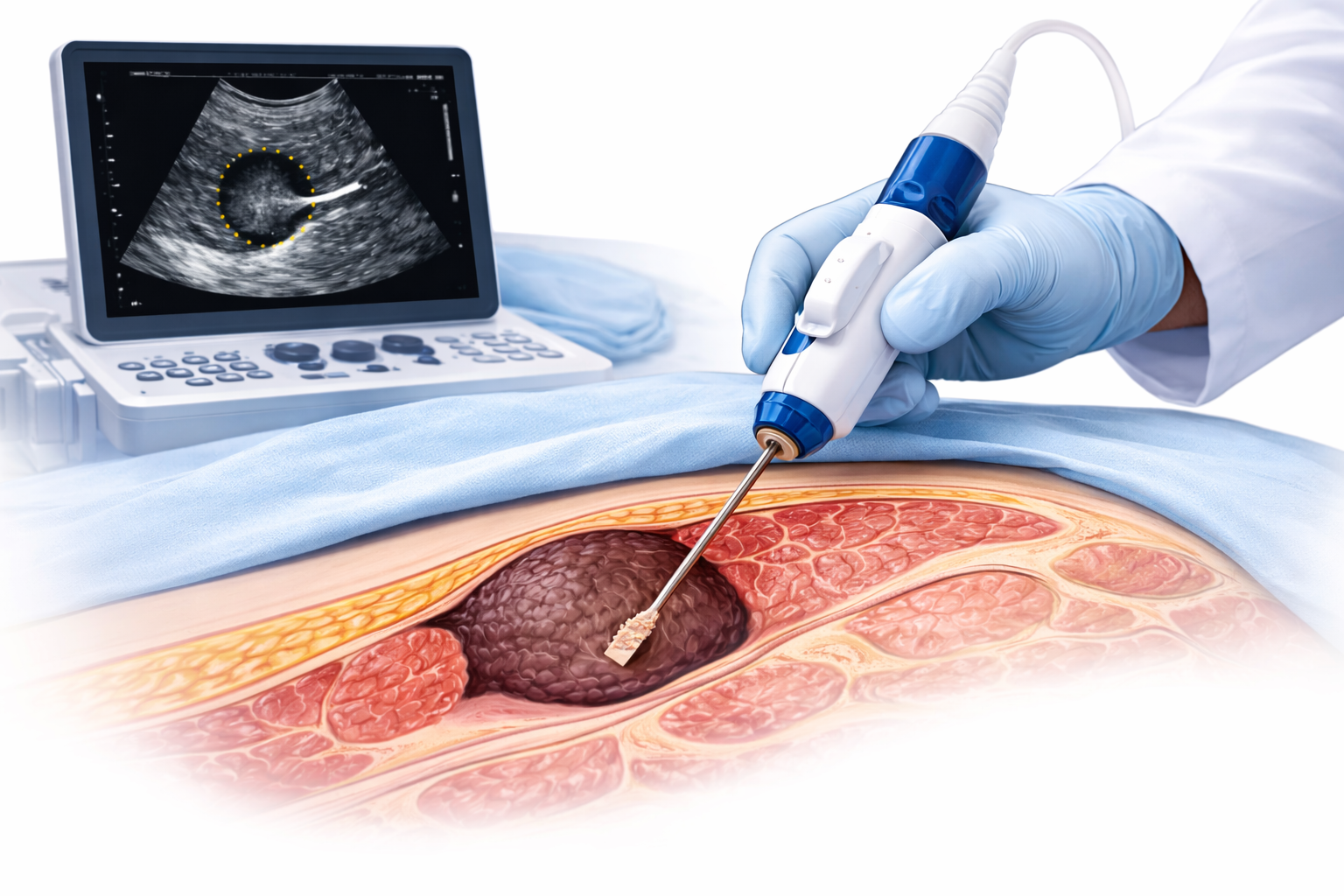
Are Biopsies Necessary?
A biopsy is essential. It is the only way to confirm the exact type of pancreatic cancer you have. Different types of pancreatic tumours, respond to different treatments.
Up to 10% of pancreatic cancers are not traditional pancreatic cancer, and without a biopsy, the diagnosis can be missed or incorrect. A biopsy ensures you receive the right treatment from the start.
A biopsy is also required for most clinical trials, which means it can open the door to more treatment options.
.avif)