

My long pancreatic path - Deb Quaile
Prince Edward Island Survivor
Share If You’re Ready
Your story can offer comfort, connection, and hope — at your own pace.
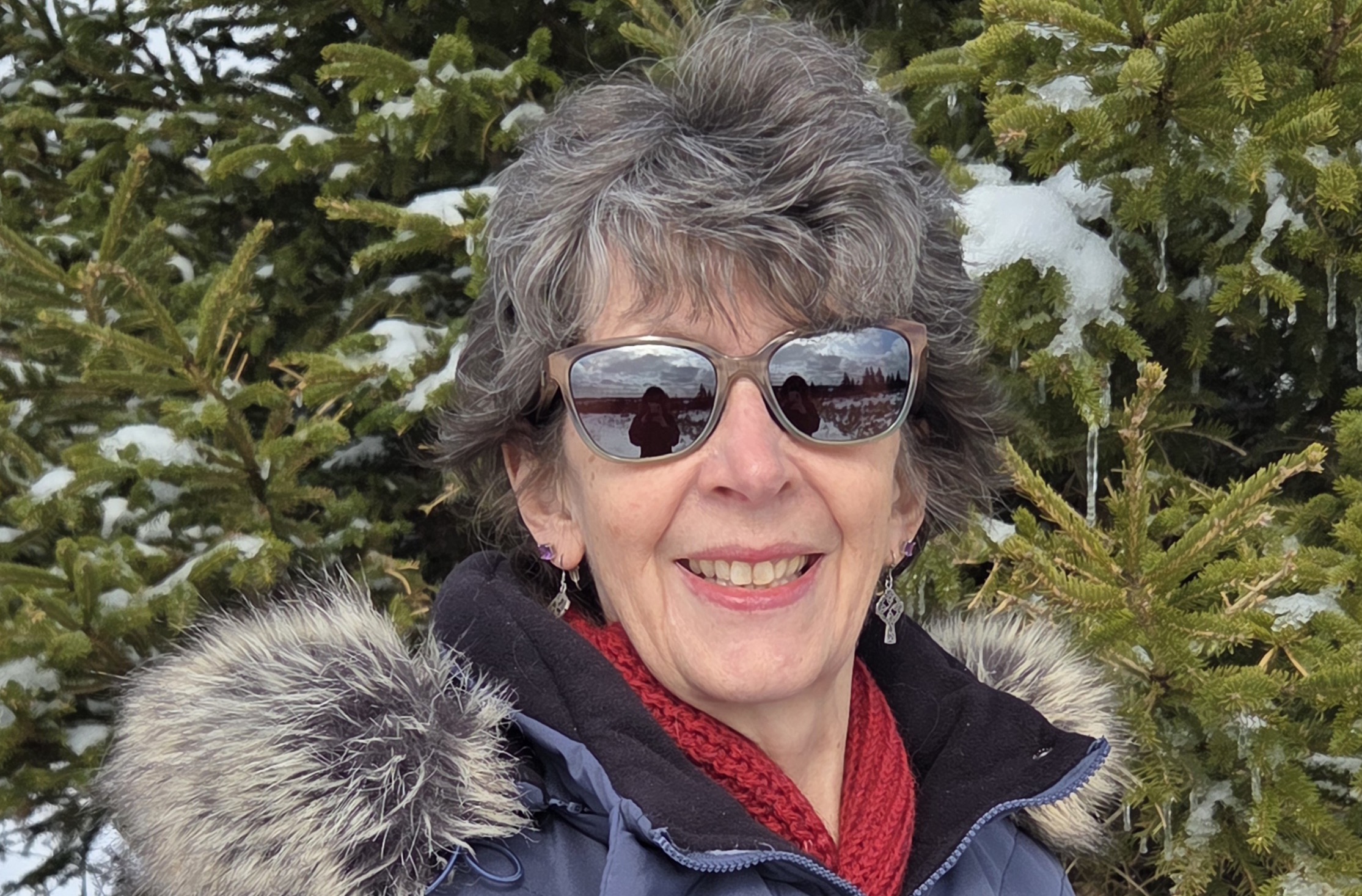
This excerpt was written by Deb Quaile, a writer from New London, Prince Edward Island. Deb received a CCPCS Patient Financial Support grant to help with the costs of travelling to New Brunswick for surgery, as the necessary surgical services were not available in PEI.
In this story...
At first, I thought it was acid indigestion.
And I was always breathless. Definitely out of shape, I thought, post retirement. I had to get back to a more physically challenging lifestyle. Hike some trails, walk the beach, play frisbee with the dog.
Nevertheless, in December 2024 I took myself to the local emergency department to check on these symptoms, stressing to the staff that I was certain I was not having a heart attack, but I’d had chest pain and breathlessness for a few months. There was a flurry of testing: electrocardiogram, ultrasound, MRI, bloodwork... yet apparently nothing concrete emerged.
Five months later in May 2025 I was called to have an upper endoscopy, during which the surgeon found an unknown mass in my duodenum. A biopsy proved inconclusive so a second endoscopy was scheduled, yet again the mass and bloodwork showed no cancer markers.
But over the rest of the spring and summer my discomfort increased. Referral to a hepato-pancreato-biliary surgeon took me to Moncton, NB in mid-August 2025 for a consultation (since Prince Edward Island does not have such specialists, cooperative ventures between the Atlantic provinces’ hospitals and surgeons allow patients in different areas to access the care they require). My surgeon received the results of a new MRI ten days later, and immediately called me in for pancreaticoduodenectomy – commonly known as Whipple surgery – within a month.
The surgical team was able to remove the large cancerous mass in my duodenum, as well as various ductwork that connects related digestive organs and almost half of my pancreas, and proceeded to create a newly-routed digestive system for me. But by that time the disease had spread to several lymph nodes. I spent several days in ICU, and several more on a ward before I could go home. Happily, I regained strength and was able to leave after eight days instead of the ten or more I had been told pre-surgery. I joked with my nurses that I was being released a couple of days early for good behaviour.
Time for referral to an oncologist working in the cancer centres on PEI for follow-up treatment. Before I embarked on a suggested course of chemotherapy, I decided to cut my long locks and donate them to Angel Hair, a group that crafts cancer wigs for children and teens. The nature of my chemo did not dictate that I would lose all of my hair, but I thought that I would make it useful for someone younger in case I did. Even so, I became tearful when it was cut very short – not because of the hair removal, but for the difficult cancer path I knew I walked. I laughingly commented to my stylist (whose eyes welled up with mine) that I looked like an unwell Jamie Lee Curtis.
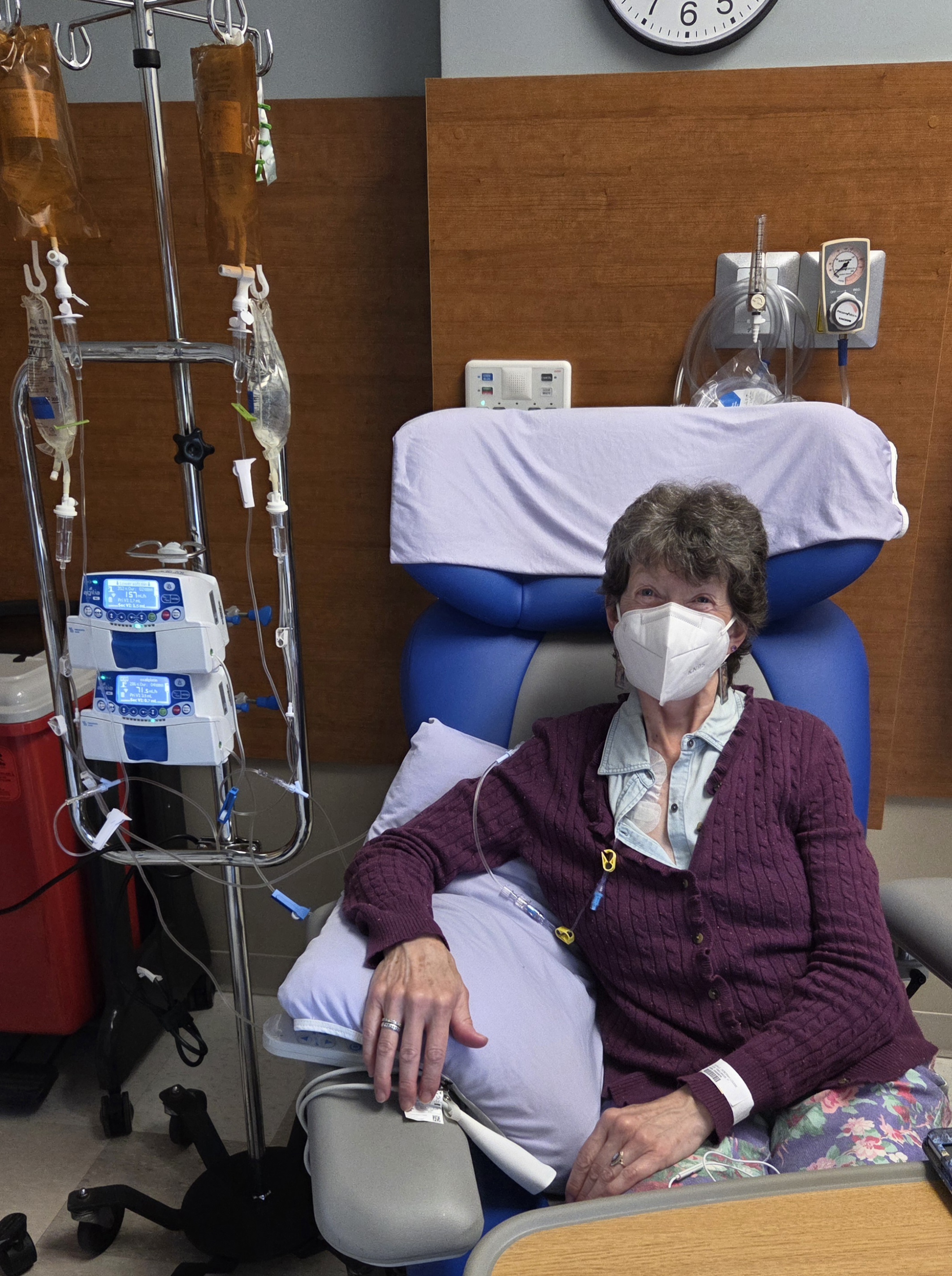
After my shearing I embarked on a course of “long chemo” beginning right before Christmas 2025 which amounted to about two-and-a-half days of treatment every two weeks for six months. Prescribed medications, particularly for nausea control, worked well for me and although I was tired, I was rarely ill. However, my hair did thin out so I felt it was fortunate that I’d sent it to Angel Hair pre-chemo.
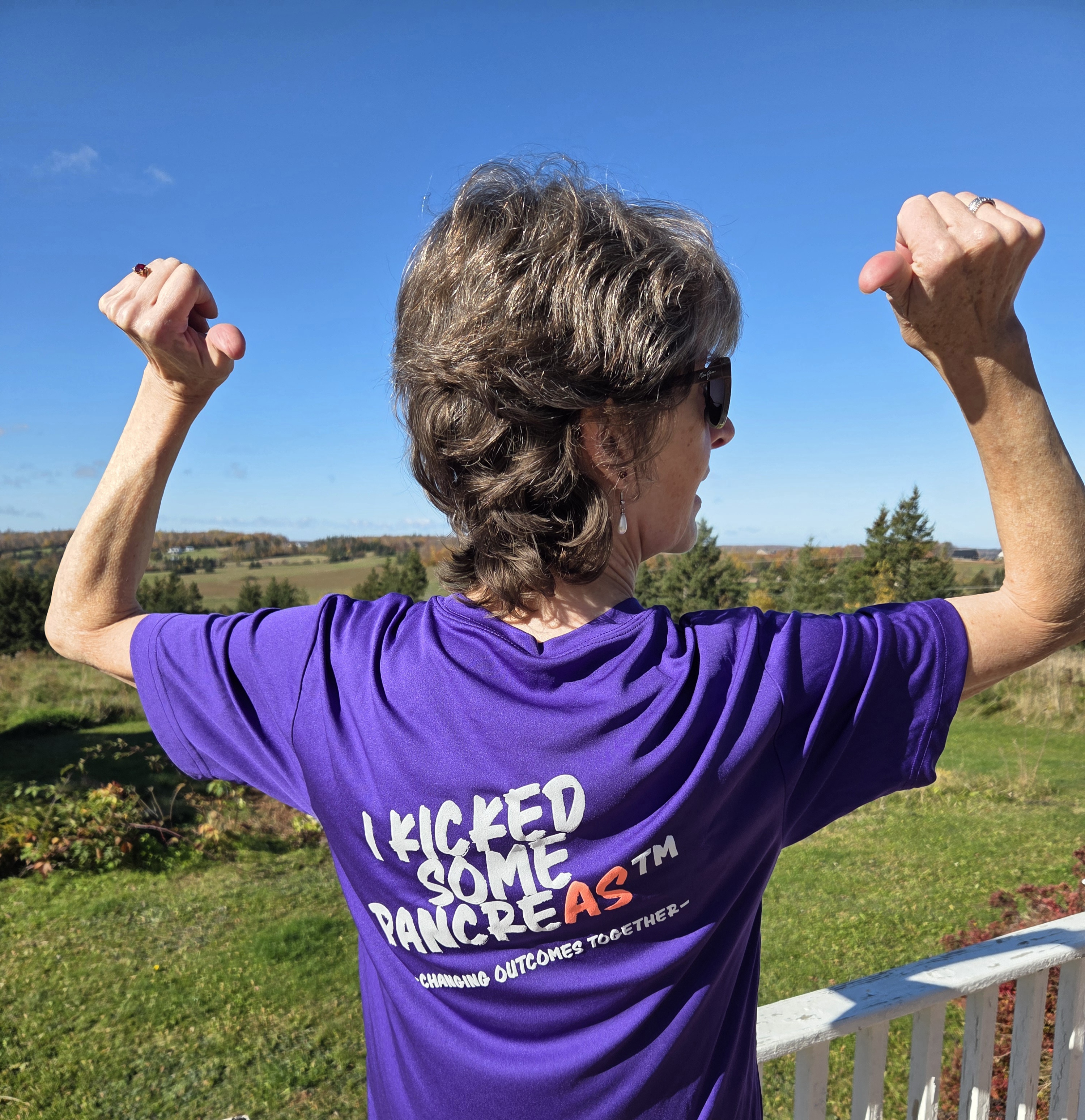
Computed tomography, commonly known as a CT scan, was done at the end of chemotherapy in May 2026 and to my delight showed no evidence of disease. Such scans will need to be performed for the next five years to keep track of any further spread of cancerous cells, but I am currently trying to regain weight and strength, and spending every precious moment that I can doing what I love. Dog walking. Writing and reading. Volunteering. Gardening and rug hooking. I also kept all of my "hospital bracelets" after surgery and chemotherapy. This December I will loop them all together in a chain to drape around the Christmas tree as a small remembrance of how far one can walk in a year.
Unfortunately, nerve damage (a potential chemo side effect) limited the use of my hands, legs, and feet, but with targeted medications I am slowly healing and try to focus on the future. My future. Because I want to be here a lot longer to accomplish the things I had planned for retirement. Along the way, I want to “pay it forward” to thank all of the medical teams, volunteers, family, and friends who have supported me in my pancreatic cancer journey. As I will continue to support others in kind.
Because isn’t that the meaning of life? We are here to help each other along the path.
Join the Fight Against Pancreatic Cancer
Get the latest news, resources, and event updates delivered to your inbox.