

Hope, advocacy, and a changing future for patients - Jane Howie
ICU Nurse’s Survival Story

Share If You’re Ready
Your story can offer comfort, connection, and hope — at your own pace.
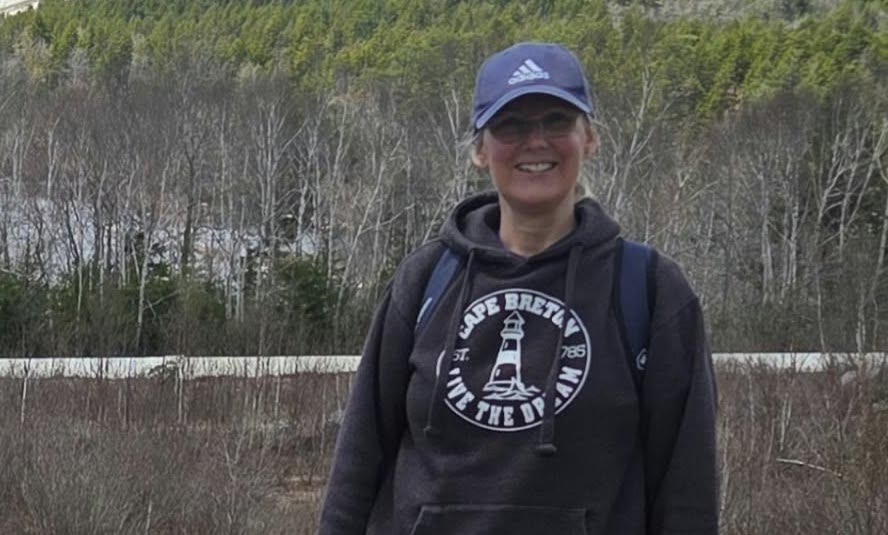
This excerpt was written by Jane Howie, an ICU nurse from Halifax, Nova Scotia.
In this story...
Just a few weeks before my life changed forever, I was standing on the deck of a catamaran in Saint Lucia, learning how to sail. The Caribbean sun was shining, the ocean was endless, and life felt full of possibility. I had no idea that I was about to enter the most challenging chapter of my life.
Shortly after returning home to Nova Scotia, I developed persistent abdominal pain that would not go away. I went to see my family physician, who suspected gastritis and prescribed medication, advising me to return if it did not improve.
Later that evening, the pain became unbearable, and I found myself in the emergency department early the next morning at the same hospital where I had spent 35 years working in healthcare, including many years as an ICU nurse.
For decades, I had been the person walking into hospital rooms to care for critically ill patients, supporting families through frightening moments, and helping others navigate some of the most difficult days of their lives.
I never imagined that one day I would be the person lying in that bed, waiting for answers.
The emergency physician working that day was a colleague and friend I had worked alongside in the ICU. He was shocked to see me as a patient in the bed. After my initial assessment, blood work, and ultrasound, we discussed what might be causing my symptoms. We considered possibilities such as pancreatitis or a gastric ulcer—diagnoses that seemed much more likely than what was about to unfold.
Pancreatic cancer never crossed my mind.
Then the ultrasound changed the direction of everything.
The physician explained that they had found a mass on my pancreas. He told me he would order a CT scan and consult the general surgery team. At that moment, we were still waiting for answers.
After the CT scan was completed, a general surgeon came into my emergency room. As he walked around the curtain, I immediately recognized him. He was a physician I had worked with throughout my years in the ICU. I had cared for many of his patients over the years, and suddenly my role was reversed.
He introduced himself, and I said, “I know who you are. I took care of a lot of your patients over the years.”
He looked at me and replied, “Well, now I’m going to take care of you.”
Those words have stayed with me.
He then explained that the CT scan had confirmed a mass on my pancreas, located in the head of the pancreas, and that it was most likely pancreatic ductal adenocarcinoma. He explained that I would need further testing, including an endoscopic ultrasound (EUS) and an ERCP, as well as chemotherapy and, if everything went as planned, a Whipple procedure. He also told me he would contact the medical oncology team to arrange my referral and begin the next steps in my treatment journey.
At that exact moment, my sister came around the curtain and heard the news. My sister is a nurse practitioner, so she immediately understood the seriousness of what those words meant. The shock and emotion on her face were unmistakable.
I remained calm.
Perhaps it was my years working in healthcare. Perhaps it was because I knew that panic would not change what came next. But I knew I needed to stay focused, take one step at a time, and trust myself, my instincts, and the people who were now caring for me.
Within days, everything moved quickly. I developed jaundice and required an ERCP with a stent to relieve a blockage in my bile duct. Soon after, I met my oncologist, had a Port-a-Cath inserted, began FOLFIRINOX chemotherapy, and learned that if treatment was successful, I would need a Whipple procedure.
My life had gone from sailing in Saint Lucia to fighting pancreatic cancer almost overnight.
Because I had worked in healthcare for so many years, I understood the seriousness of this diagnosis. I knew the statistics. I knew the challenges. But I also knew that I wanted to be an active participant in my own care.
A powerful motivator
In those early days, I found myself searching for answers and trying to understand why this had happened. Like many people facing a life-threatening diagnosis, I looked inward and wondered what role I had played in getting here. I strongly believed at the time that something in my lifestyle or choices had contributed to my body developing this disease, and that belief gave me a sense of purpose and control. I felt that if I had played a role in becoming ill, then I could certainly also play a role in helping my body heal.
That belief became a powerful motivator for me.
Alongside the treatment provided by my medical team, I began researching everything I could about pancreatic cancer, nutrition, exercise, inflammation, and mental health. I knew that chemotherapy, surgery, and the expertise of my healthcare team were essential, but I also wanted to do everything within my power to support my body and my mind.
From that moment forward, I changed everything. I completely changed the way I ate, I eliminated processed foods, focused on nourishing my body with whole foods, and began taking supplements and vitamins as part of my personal approach to supporting my health. I incorporated meditation and exercise to support my mental well-being, and I worked to become as physically and emotionally strong as possible for the journey ahead.
My goal was never to replace conventional medicine—it was to complement it. I wanted to give myself the strongest possible foundation while undergoing FOLFIRINOX chemotherapy and preparing for a Whipple procedure.
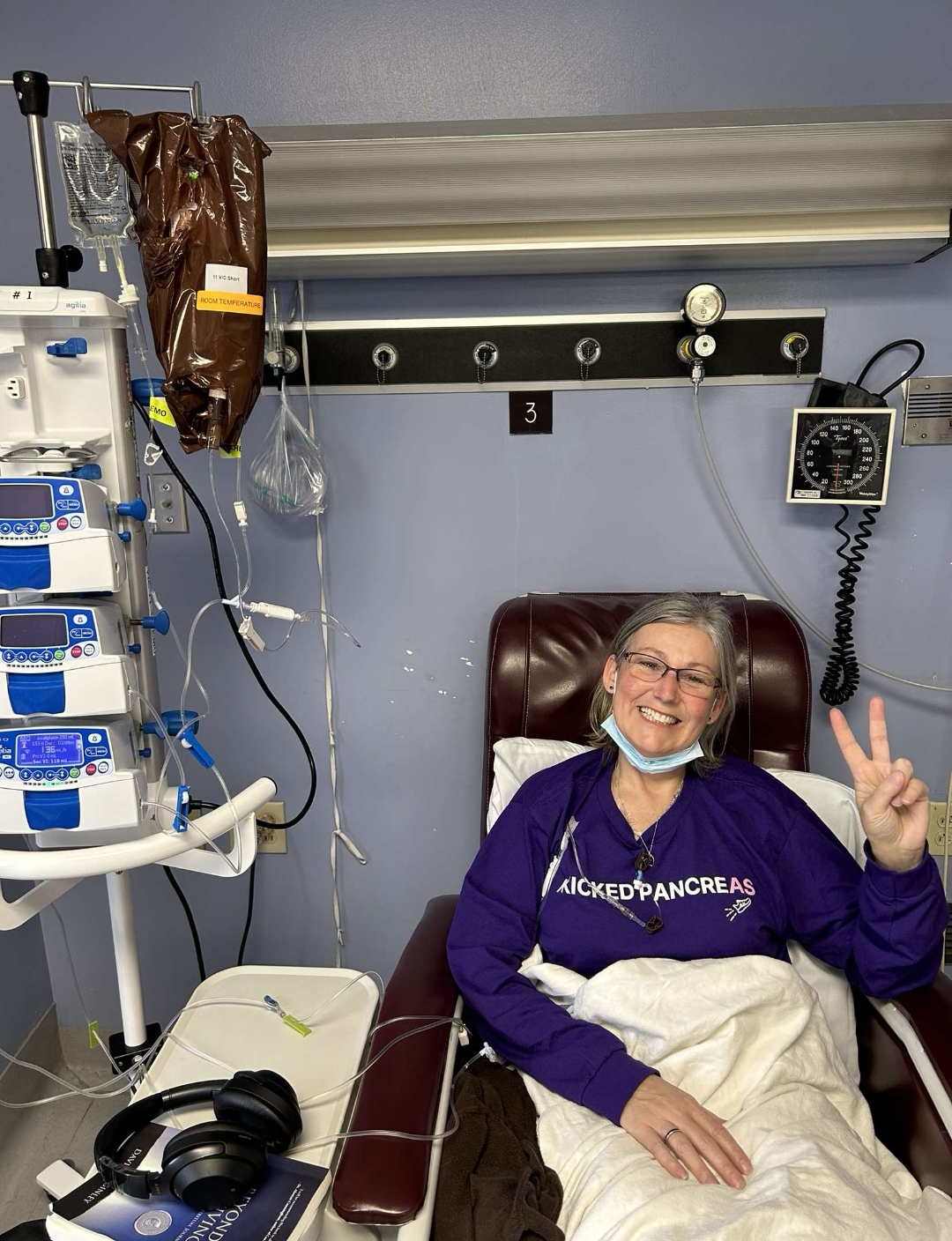
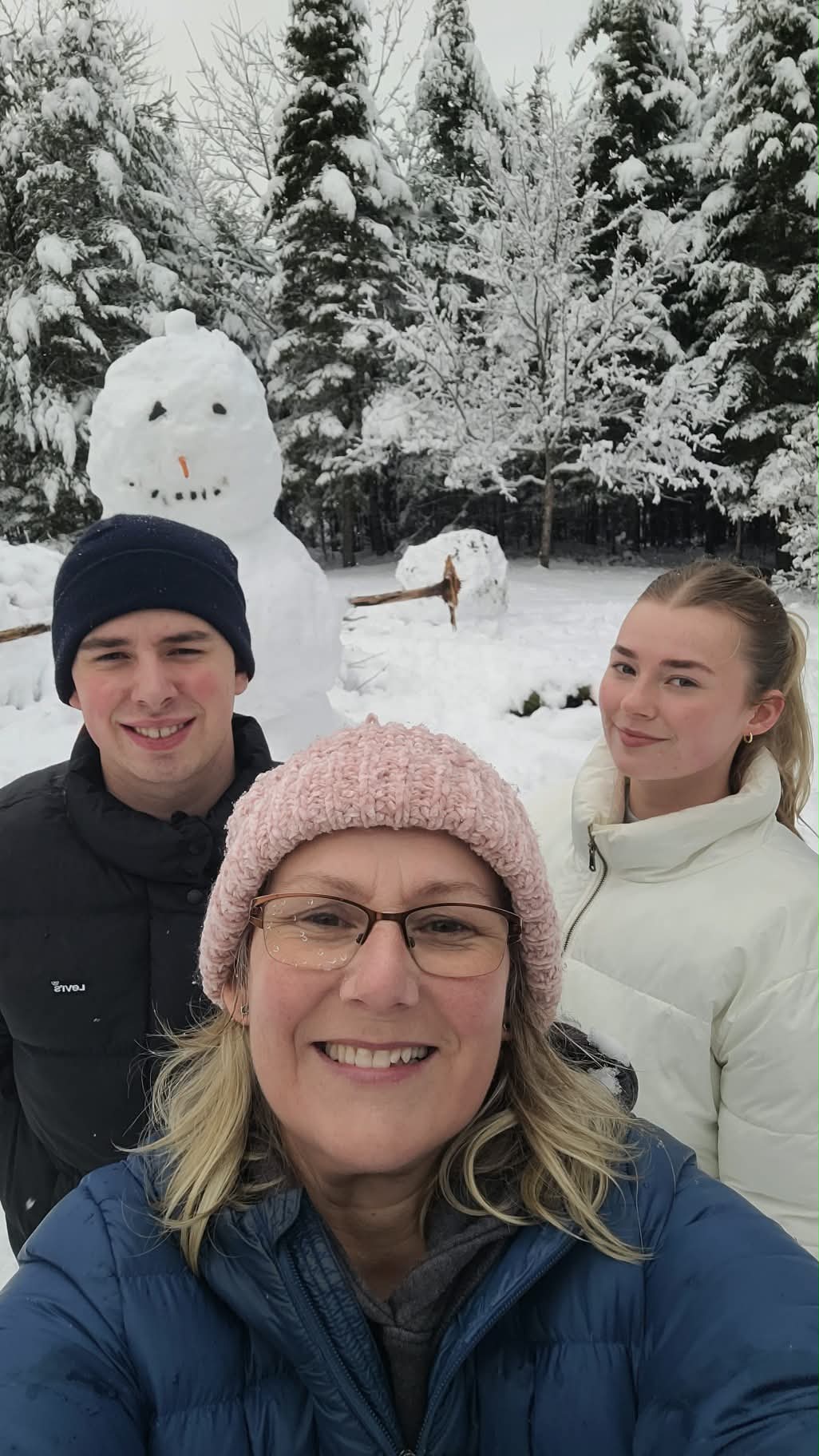
Throughout this journey, my family, friends, and colleagues became my greatest source of strength. My sisters, my children, extended family, and friends surrounded me with love and support. Their encouragement carried me through some of the most difficult moments of my life.
Today, I share my story because there is reason for hope.
For many years, pancreatic cancer has been considered one of the deadliest cancers with limited treatment options and late stage diagnosis. While there is still much work to do, we are beginning to see progress. Emerging treatments, including promising research involving drugs such as daraxonrasib, are giving pancreatic cancer patients new hope and showing that the future does not have to look the same as the past.
Patient Support
I also want Canadians to know about an organization that has become an advocate for patients and families affected by this disease: Craig’s Cause Pancreatic Cancer Society.
As Craig’s Cause celebrates its 20th anniversary, I am honored to serve on its first National Patient Advocacy Committee. This committee is helping ensure that the voices of pancreatic cancer patients and their families are heard—not only by healthcare providers and researchers, but also by policymakers and the public.
One of the most rewarding parts of my journey has been participating in Craig’s Cause’s weekly pancreatic cancer peer support group. Every week, patients and caregivers come together to share experiences, answer questions, celebrate victories, and remind one another that no one has to face this disease alone.
When newly diagnosed patients join our group, we welcome them with open arms because we remember exactly what those first days felt like—the fear, the uncertainty, and the overwhelming questions about pancreatic cancer.
We offer something incredibly powerful: hope.
Hope does not mean ignoring how serious pancreatic cancer is. It means showing people that life can continue. It means proving that patients can smile through treatment, recover from a Whipple surgery, rebuild their lives, and find moments of joy even while facing uncertainty.
As of November 2026, I am currently 3 years and 7 months past my initial diagnosis and 3 years past my Whipple surgery and currently NED (no evidence of disease).
Join the Fight Against Pancreatic Cancer
Get the latest news, resources, and event updates delivered to your inbox.