


Three Cancer Diagnoses, One Genetic Connection - Stephanie Ramsey
A resilient fighter & advocate


Partagez si vous êtes prêt
Votre histoire peut offrir du réconfort, de la connexion et de l'espoir — à votre propre rythme.
Stephanie Ramsey, a two-time breast cancer survivor diagnosed with Stage III pancreatic cancer in 2023, is an advocate with Craig's Cause Pancreatic Cancer Society's Patient Advocacy Coalition, working to improve awareness, patient support and access to treatment.
Listen to her story on the Nice Genes! Podcast by Genome BC and leave a review on Apple Podcasts: https://www.genomebc.ca/newpodcast/cracking-kras-can-we-finally-treat-pancreatic-cancer/
In This Story...
Cancer History: Breast cancer diagnoses in 2004 and 2019
Genetic Connection: An inherited BRCA2 mutation associated with increased breast and pancreatic cancer risk
Early Symptoms: Digestive changes and abnormal blood test results
Treatment: Whipple surgery followed by six months of FOLFIRINOX chemotherapy
Patient Support & Advocacy: Finding connection through CCPCS peer support group and Patient Advocacy Coalition
Three Cancer Diagnoses and a BRCA2 Mutation
For Stephanie Ramsey of Ottawa, Ontario, pancreatic cancer was not her first experience with cancer.
A mother of two and a grandmother, Stephanie was diagnosed with breast cancer in 2004 and again in 2019. She learned that she carried a BRCA2 gene mutation, a hereditary change associated with increased risks of breast, ovarian, prostate and pancreatic cancer. BRCA1 and BRCA2 genes normally help repair damaged DNA, but certain inherited mutations interfere with that process.
In August 2023, at age 62, Stephanie received her third cancer diagnosis: Stage III pancreatic cancer.
Symptoms That Were Easy to Overlook
Before her diagnosis, Stephanie experienced mild digestive issues and generally felt unwell, but nothing suggested a serious illness.
Her family doctor, who continued to monitor her following breast cancer, ordered blood tests. Significant abnormalities prompted an immediate referral to the emergency department.
On August 23, 2023, Stephanie was diagnosed with pancreatic ductal adenocarcinoma (PDAC), the most common type of pancreatic cancer.
She underwent an endoscopic retrograde cholangiopancreatography (ERCP) to address problems involving the bile and pancreatic ducts. Although it relieved some symptoms, the diagnosis was overwhelming.
"You have pancreatic cancer. You have no idea what that ultimately means. You start Googling. You're talking to people. You're doing all of that stuff and scaring yourself to death."
Six Weeks from Diagnosis to Surgery
Stephanie was referred to a specialized hepatobiliary surgical team in Ottawa and faced decisions about treatment, including whether to participate in a clinical trial involving chemotherapy before surgery.
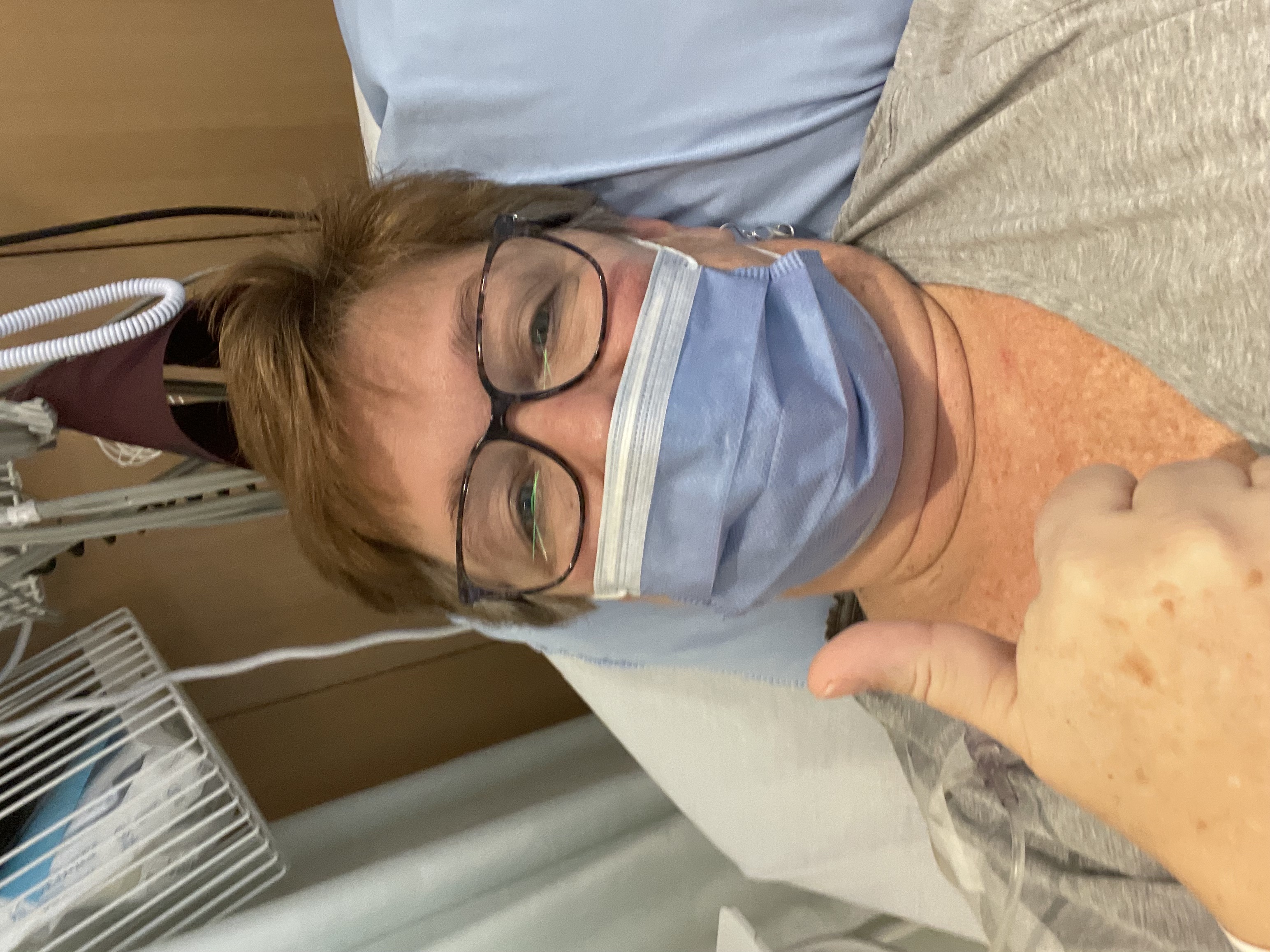
She chose surgery first.
"All I wanted was to get that cancer out of me as fast as possible, and I wanted to be strong enough to withstand what was a huge surgery."
On October 4, 2023, approximately six weeks after diagnosis, Stephanie underwent a Whipple procedure. She recovered without major complications and completed six months of FOLFIRINOX chemotherapy.
Stephanie remains grateful for the timely, specialized care she received.
"I could not have asked for better. I couldn't have asked for better outcomes."
Stephanie was reported no evidence of disease and later travelled to Canada's West Coast on a personal healing journey, focusing on recovery and reconnecting with life beyond treatment.
Finding Support
After chemotherapy, Stephanie wondered what came next.
"The frustrating part comes when you finish chemotherapy; now what? Do I just sit around and wait for a recurrence? I don't like that idea."
She accessed Ottawa's psychosocial oncology program for support from social workers, dietitians and physical therapists. Wanting to connect with others facing pancreatic cancer, she discovered Craig's Cause Pancreatic Cancer Society's weekly Peers with Pancreatic Cancer support group.
There, she found people who understood treatment, recovery and life after diagnosis.
"They are so positive and gave me so much support and caring and love."
The group changed her outlook and gave her opportunities to support newly diagnosed patients.
Turning Experience into Advocacy
Stephanie's career focused in operations and finance at a law firm, navigating complex organizations and working with senior leadership. She also had opportunities to meet former Canadian prime ministers Jean Chrétien and Stephen Harper.
Today, she brings that experience to CCPCS' Patient Advocacy Coalition.
Stephanie advocates for faster access to promising treatments and wants governments to examine Canada's drug approval processes, including opportunities to accelerate access to treatments showing promise internationally.
She also believes governments should increase cancer research investment and reduce regional differences in care, ensuring patients can access specialized surgeons, oncology teams and treatment options regardless of where they live.
Although grateful for her care in Ottawa, Stephanie recognizes that not all Canadians have the same opportunities.
For her, meaningful reform must include patient voices.
"It's important to have the patient's voice because there are statistics out there that anyone can look up. What you won't get is the patient's experience."
Listening to patients, she believes, helps decision-makers understand gaps in care and why timely access matters.
"It's even more critical for this disease because we don't have time."
A Future with More Options
Having survived breast cancer twice and pancreatic cancer, Stephanie wants patients to have more treatment options, even when their cancer returns.
Stephanie is currently facing a progression of the disease and is undergoing radiation therapy. Her experience makes the need for continued treatment options even more personal.
Stephanie wants to change the narrative that a recurrence means there is nothing more that can be done.
"I would love for the doctors not to say, go home and get your affairs in order because there's nothing we can do for you when you have a recurrence."
Instead, she hopes pancreatic cancer care will offer the growing treatment possibilities she has witnessed in breast cancer.
"I would love for us to get to a world where the answer is more like it was with breast cancer, which is we know what this is, we know how to treat it, and we know we have a good idea of what the outcomes could be."
For Stephanie, that is the future worth working toward.

Joignez-vous au combat Contre le cancer du pancréas
Recevez les dernières nouvelles, ressources et mises à jour sur les événements dans votre boîte de réception.