


12-Year Pancreatic Cancer Survivor - Cheryl Bautz
“I'm Just Me”

Partagez si vous êtes prêt
Votre histoire peut offrir du réconfort, de la connexion et de l'espoir — à votre propre rythme.
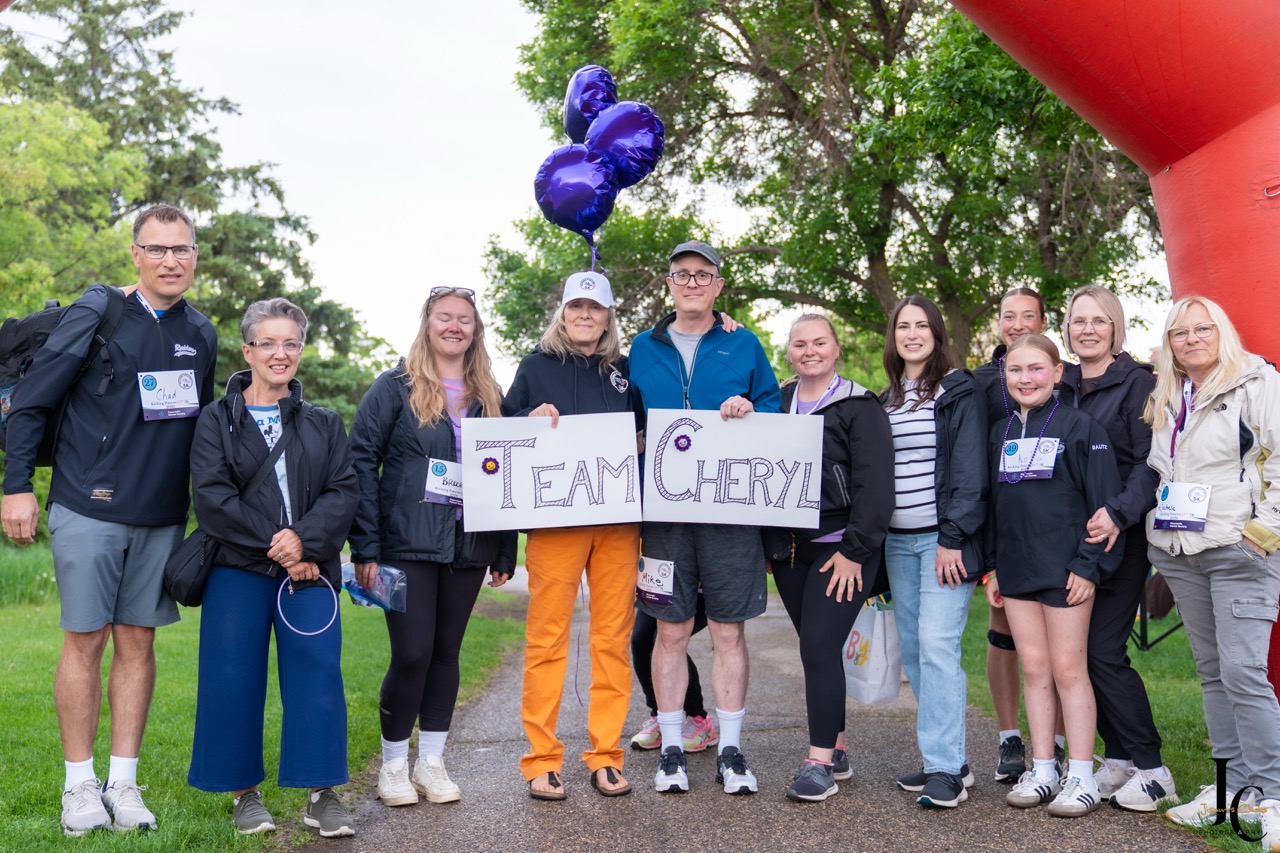
Cheryl has become a passionate voice for pancreatic cancer awareness, sharing her story with local media ahead of Saskatoon's first Kicking PancreAS™ 5K in 2026. Now living in Victoria, British Columbia, she even travelled to Saskatchewan to participate in the event and inspire hope for others facing the disease.
In This Story:
Early Symptoms: Severe upper abdominal pain, jaundice, puffiness and unusual weight gain
Early Detection: Stage I pancreatic cancer diagnosed at age 45
Treatment: Whipple surgery followed by six months of chemotherapy
Treatment Challenges: Blood clots, post-surgical complications and recurring abdominal pain
A Pain She Couldn't Ignore
Twelve years ago, Cheryl Bautz woke in the middle of the night with severe pain in her upper abdomen.
The pain came in waves, centred just below her breastbone, in the upper middle abdomen near the area of the celiac plexus. This network of nerves lies deep behind the stomach, near the pancreas, and pain in this region can sometimes extend into the back.
After two days, Cheryl went to the emergency department in Humboldt, Saskatchewan, where she was living at the time.
"I went to the washroom and I remember just standing there, holding the countertop, looking at myself in the mirror and thought, 'whatever this is, you're not gonna be the same.'"
At the hospital, doctors performed blood tests and an ultrasound. Cheryl was also experiencing jaundice, a yellowing of the skin and eyes that can occur when bile flow is blocked.
The following day, while alone in her hospital room, she was told she had pancreatic cancer.
She was 45 years old.
Cheryl's cancer was diagnosed at Stage I, an early stage when surgical removal may still be possible. Early detection is particularly important in pancreatic cancer, as many patients are diagnosed after the disease has advanced.
Looking back, Cheryl also remembers unusual weight gain and puffiness before the severe pain began.
"My body told me right away that there's something in here that shouldn't be in here."
Trusting Her Doctors Without Knowing the Details
Following her diagnosis, Cheryl underwent several months of further testing, including CT scans, MRIs, scopes and a biopsy. A stent was placed to relieve a blockage.
She eventually met Dr. Michael Moser, a member of Craig's Cause Pancreatic Cancer Society's Medical Advisory Committee, who would help oversee her surgical care in Saskatoon.
"He's the most amazing person. I owe my life to him, literally."
Cheryl had one unusual request: she didn't want to know the details of her cancer or the surgery ahead.
During their first appointment, Dr. Moser took out a notepad to explain the procedure. Cheryl stopped him.
"I don't want to know anything," she recalls telling him.
Rather than researching survival statistics or potential complications, Cheryl preferred to trust her medical team and protect her peace of mind.
"When you put that stuff in your head, how could you not go downhill? Fear will creep in, and that's not good. Fear is always around us, and it takes things from you."
For Cheryl, limiting frightening information was her personal way of coping with the diagnosis.
Surgery, Treatment and Recovery
A few months after her diagnosis, Cheryl underwent a Whipple procedure in Saskatoon. The surgery lasted more than nine hours, followed by an 11-day hospital stay.
She then completed six months of chemotherapy in Humboldt.
During treatment, Cheryl developed several blood clots associated with her chemotherapy port. She also experienced abdominal pain similar to what she had felt before her diagnosis and requested further investigation.
An endoscopic examination identified a small internal tube placed during surgery that had not passed through her digestive tract as expected. Her medical team successfully removed it endoscopically.
The experience reinforced the importance of recognizing changes in her body and discussing persistent symptoms with her healthcare team.
Today, Cheryl occasionally experiences intense abdominal discomfort that she calls "pancreatic attacks." She says Buscopan (hyoscine butylbromide) and Gravol (dimenhydrinate) have helped her manage these episodes.*
Seven Months with Her Father
Cheryl had faced significant challenges long before her pancreatic cancer diagnosis. As a single mother who had experienced personal loss and challenging circumstances, she learned early in life to persevere.
"I just never back down."
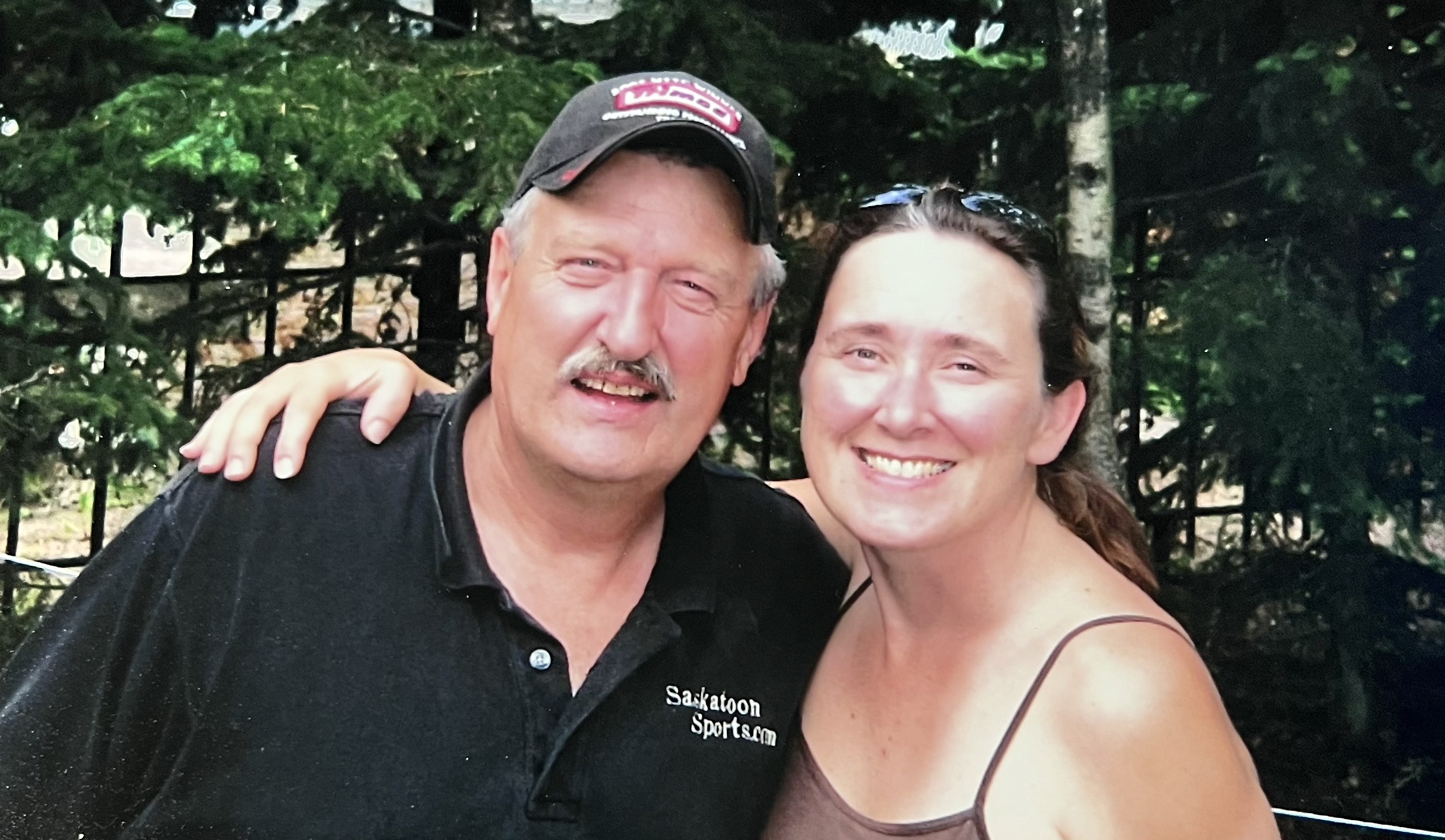
Shortly after Cheryl completed chemotherapy, her father was diagnosed with cancer. During the seven months that followed up to his passing, Cheryl came to understand him in a new way, and they developed a bond she deeply valued.
"I learned something really powerful and that's forgiveness. True forgiveness."
For Cheryl, the experience became an important part of her own healing.
"My own recovery was spent in hospital next to my dad and I honestly can tell you, I think I healed from love."
Finding Joy in the Little Things
Before her cancer diagnosis, Cheryl says she lived with debilitating social anxiety. Following her experience with cancer, that anxiety changed dramatically.
Today, she describes herself as outgoing, comfortable connecting with strangers and more intentional about caring for herself.
She stopped smoking and drinking alcohol, adopted a vegan diet and developed three daily non-negotiables: meditation, yoga and journaling.
She also makes time for herself through what she affectionately calls "Cheryl days" and sometimes entire "Cheryl weeks."
"We are often like bottom on the list and I'm not anymore."
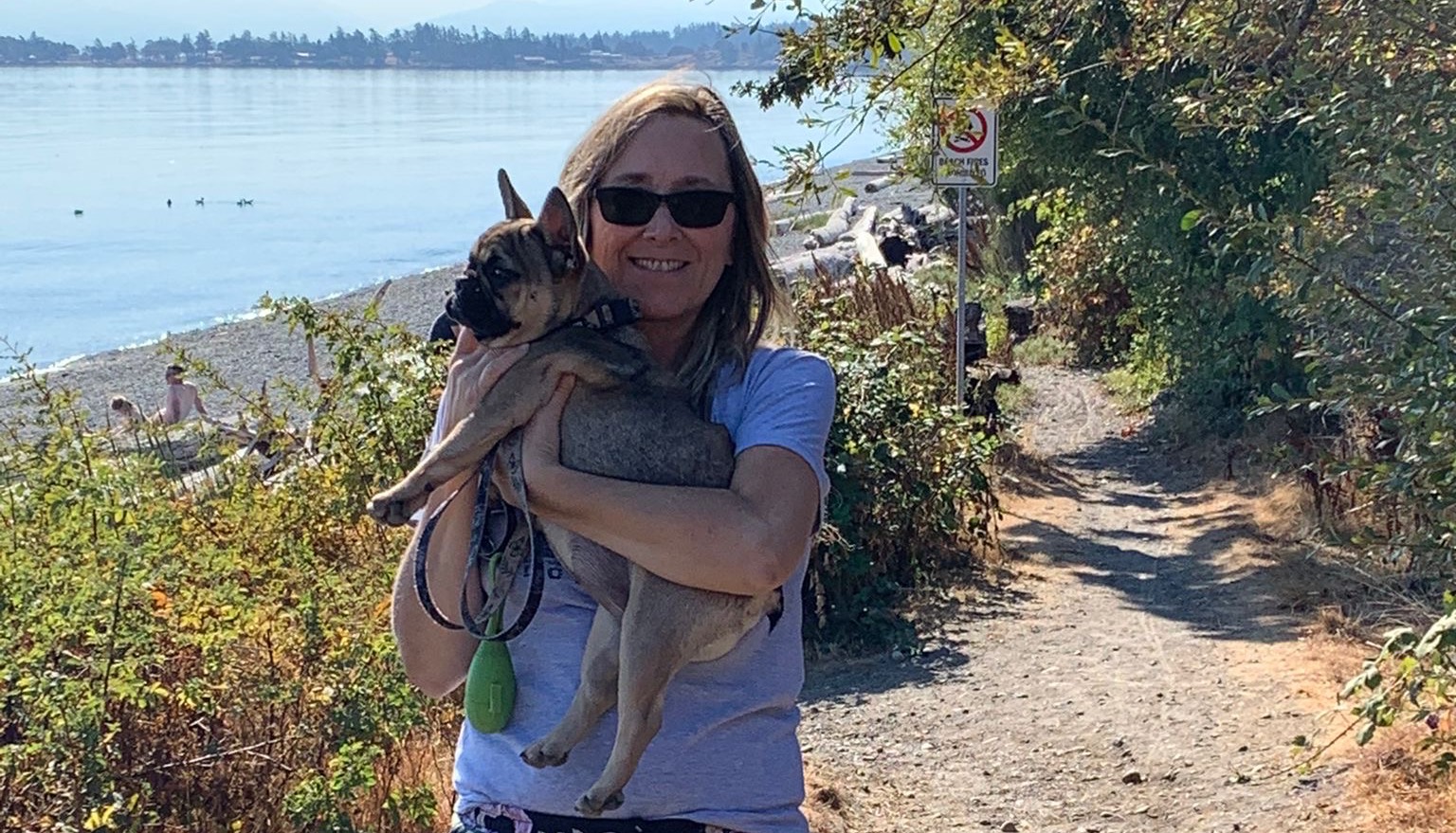
Now living in Victoria, British Columbia, Cheryl spends much of her free time outdoors. She loves the beach, collecting tiny hermit crab shells, watching sunrises and appreciating nature.
Her experiences have also made her more patient and compassionate toward others.
"My eyes are wide open. You just have to stop and really pay attention and look around. And that's living."
More Than a Survivor
Twelve years after her Stage I pancreatic cancer diagnosis, Cheryl is grateful for the life she has built. But she doesn't introduce herself as a cancer survivor.
"I don't call myself a survivor. I just don't lead with that in conversation. I'm just me and that's part of my story and it's a beautiful part of my story."
----
*While these medications have helped Cheryl, recurring abdominal pain after pancreatic surgery can have different causes. Patients should discuss symptoms and medication options with their healthcare team.
Joignez-vous au combat Contre le cancer du pancréas
Recevez les dernières nouvelles, ressources et mises à jour sur les événements dans votre boîte de réception.